Do Bay Area homes commonly need panel upgrades for EV charging?
Yes, many Bay Area homes do need a panel upgrade before they can support an EV charger, especially older houses built before electric vehicles became common. The reason is straightforward: a typical 100-amp service that was fine for lights, appliances, and a water heater often has no spare capacity for the continuous 30 to 60 amps a Level 2 charger draws. That said, not every home needs an upgrade. Some newer houses have 200-amp panels from the start, and even some older ones can work with a careful load calculation and a few smart choices.
What a panel upgrade actually means
An electrical panel, also called a breaker box, is the point where utility power enters a home and gets split into the circuits that feed outlets, lights, and appliances. Each panel has a maximum rating, measured in amps, that tells you how much electricity the whole house can draw at once. When you add an EV charger, you are adding a large, steady load that runs for hours. If the existing panel is already near its limit, the new circuit can trip the main breaker or, worse, overload the wiring.
A panel upgrade replaces the old box with one that has a higher amp rating, typically 200 amps. The work involves the utility company as well, because the service drop or underground feed from the street may also need an upgrade. That is why the process includes a permit and inspection, and why it is a job for a licensed electrician. The upgrade itself is a one-time investment that makes the home ready not just for EV charging but for future electrical needs, like heat pumps, induction ranges, or solar panels.
Why Bay Area homes are more likely to need one
The Bay Area has a large stock of homes built in the mid-20th century, when 60-amp or 100-amp service was standard. Many of these homes have never had their electrical systems modernized. In San Jose, for example, neighborhoods with houses from the 1950s and 1960s are common, and those original panels often lack the capacity for a modern EV charger. Even homes built in the 1980s and 1990s sometimes have only 100-amp panels, especially if they are smaller or were built to a lower budget.
Another factor is that Bay Area residents tend to keep their homes for a long time and make incremental upgrades. Over the years, a home might have added a microwave, a home office, a bigger refrigerator, or a hot tub, each of which uses some of the panel's capacity. By the time someone wants an EV charger, the remaining headroom is often gone. A load calculation by an electrician will show exactly how much spare capacity exists and whether a panel upgrade is necessary.
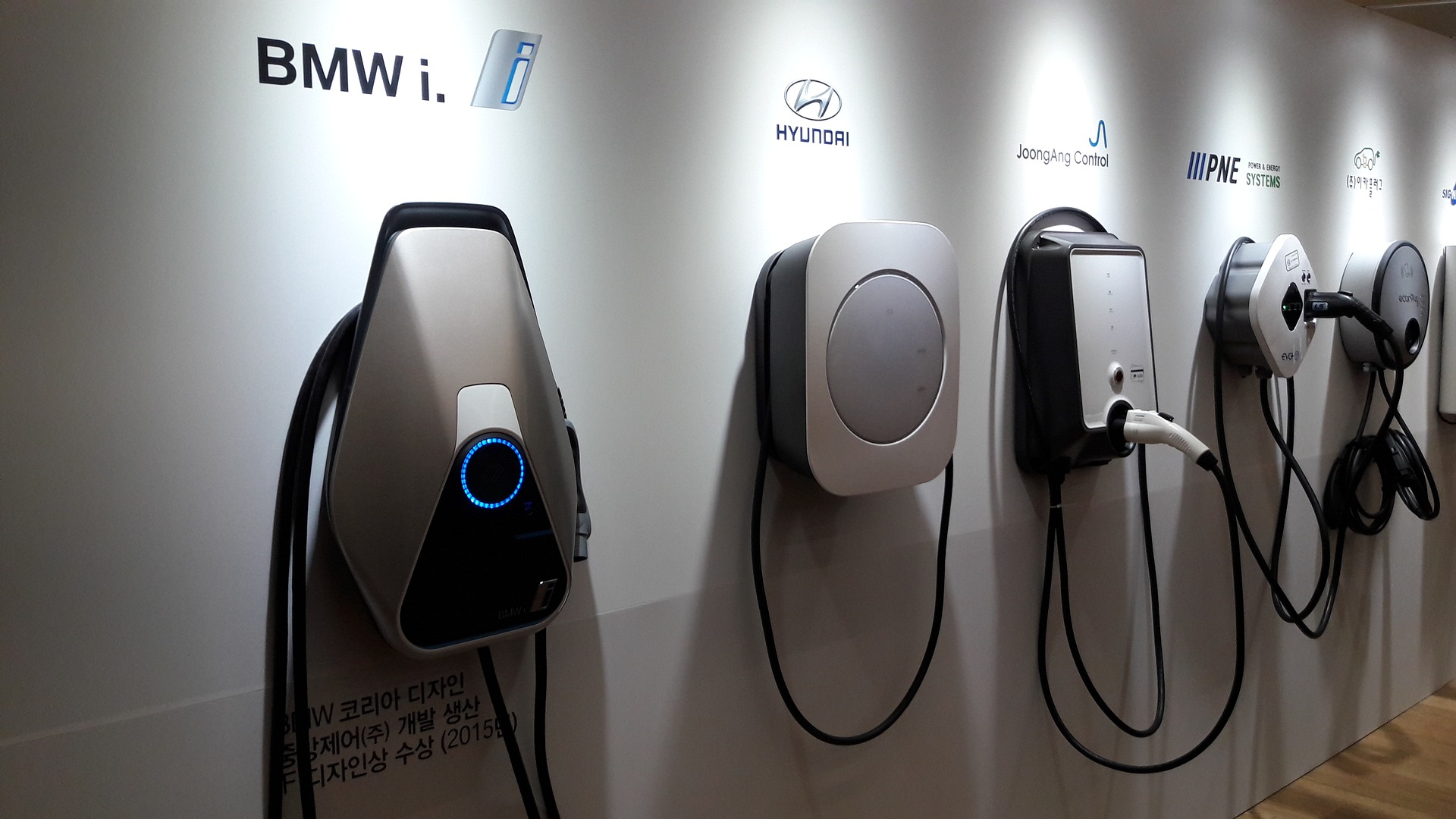
When you might not need a panel upgrade
Not every home needs a panel upgrade. If the house already has a 200-amp panel, or even a 150-amp panel with plenty of spare capacity, an EV charger can often be added directly. Some homes with 100-amp service can also work, depending on what else is in the house. For instance, if the home uses gas for heating, cooking, and water heating, the electrical load is lower, and a 30-amp EV charger may be feasible without an upgrade.
Another option is a load management device, sometimes called an EVEMS (electric vehicle energy management system). This device monitors the total load on the panel and automatically reduces the charger's power draw when other appliances are running. It allows a charger to be installed on a panel that would otherwise be too small, without upgrading the panel itself. That solution is less expensive and works well for many homes, though it requires the same permit and inspection process as a standard installation.
The role of permits and inspections
Any EV charger installation that adds a new circuit requires a permit from the local building department. In San Jose and most Bay Area cities, the permit process ensures that the work meets the current electrical code. An inspection follows, where an official checks that the wiring, breaker, and connections are safe and correctly sized. If a panel upgrade is part of the job, the permit covers that work too.
Skipping the permit might save a little time and money upfront, but it creates problems later. An unpermitted installation can complicate a home sale, because buyers and their lenders often ask for proof that electrical work was done properly. Insurance companies may also deny a claim if an unpermitted installation causes a fire. The permit and inspection process exists to protect the homeowner and the next owner of the house, and it is worth following.
How the installation process works
Once the panel capacity is sorted out, the actual installation involves running a dedicated circuit from the panel to the location where the charger will be mounted. The route the conduit takes matters, because it affects both cost and appearance. A charger installed in a garage that shares a wall with the panel might involve a short, simple run. A charger mounted on the opposite side of a house, or in a detached garage, may require a longer conduit route that crosses a crawlspace or goes underground.
The property layout also influences the choice of charger. Some homeowners prefer a hardwired unit, which is cleaner and slightly more efficient. Others choose a plug-in model, which is easier to swap later. Both types need the same dedicated circuit and the same attention to the local electrical code. The electrician will also consider the utility connection, because the utility company must approve any increase in service size if a panel upgrade is done.
Understanding the costs beyond the charger
The cost of an EV charger installation is not just the price of the charger itself. The panel upgrade, if needed, is often the biggest expense. The permit fee, the inspection, and the labor for running the conduit all add up. A straightforward installation in a home with a 200-amp panel and a short conduit route will cost much less than a job that requires a panel upgrade and a long, complicated run.
Because every home is different, the only reliable way to know what is needed is an on-site installation assessment. An electrician will look at the panel, measure the existing load, check the property layout, and recommend the best path for the conduit. That assessment also identifies any potential issues, like an old panel that is unsafe or a grounding system that needs updating. Getting that assessment before buying a charger can save a lot of frustration.
Local electrical planning for EVs
One of the most useful steps a Bay Area homeowner can take is to think about the home's electrical system as a whole, not just the charger itself. This kind of local electrical planning for EVs helps avoid surprises. For example, if you know you might add solar panels or a heat pump in the next few years, a 200-amp panel upgrade now makes more sense than a smaller fix that leaves no room for growth. Similarly, if you are planning to sell the home in the near future, a panel upgrade can be a selling point that makes the property more attractive to buyers who drive electric cars.
Common questions about panel upgrades
Many homeowners wonder whether a panel upgrade is really necessary if they only plan to charge overnight. The answer depends on the home's total load, not on when you charge. Even overnight, the charger draws power continuously for several hours, and the panel must handle that draw plus the base load of the house, like the refrigerator, internet router, and any lights left on. A load calculation will show the real numbers.
Another question is whether a smaller charger, like a 16-amp unit, can avoid the need for an upgrade. Sometimes it can, because it draws less power. But the same load calculation applies. A 16-amp charger still adds a significant load, and in a home with a 60-amp or 100-amp panel that is already near capacity, even a small charger can tip the balance. The electrician will know the local code requirements and can recommend the right charger size.
Some homeowners ask about using the existing dryer outlet or a 240-volt outlet in the garage. That is not recommended, because those outlets are not designed for the continuous high load of an EV charger. The code requires a dedicated circuit for EV charging, and using a shared outlet can overheat the wiring or trip the breaker. A dedicated circuit is the safe and proper way to install a charger.

Planning ahead for future needs
When a panel upgrade is done, it makes sense to think about future electrical needs. A 200-amp panel gives plenty of room for an EV charger, plus additional circuits for a home office, a workshop, or future appliances. Some homeowners even choose to install a subpanel in the garage at the same time, which simplifies adding a second charger later. This kind of local electrical planning for EVs and other upgrades can save money and hassle down the road.
The decision to upgrade a panel is not just about the charger. It is about making the home's electrical system safe, reliable, and ready for the way people live today. In the Bay Area, where many homes were built decades ago, a panel upgrade is a common and worthwhile investment for anyone who owns an EV or plans to buy one. The key is to work with a qualified electrician who can assess the home, handle the permit and inspection, and install the system correctly.